
SLS vs SLA vs DMLS for Your Part
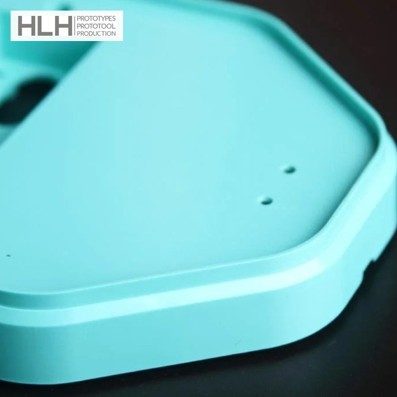
Choose SLA when you need a smooth, detailed plastic part, SLS rapid prototyping when you need a tough plastic part that can be tested under load, and direct metal laser sintering when the part has to be metal. At HLH Prototypes Co LTD we run SLA and SLS in-house and offer DMLS too, so here is how we help customers decide.
KEY FACTS
- SLA cures liquid resin with a laser and suits fine detail and smooth surfaces.
- SLS fuses plastic powder with a laser, so parts need no support structures.
- DMLS builds fully metal parts from metal powder, layer by layer.
- HLH Prototypes Co LTD has offered prototypes from a minimum order quantity of 1 part.
HLH Prototypes Co LTD has been helping customers make parts and products since 2008.
When should you choose SLA?
Choose SLA when appearance matters most. A laser cures liquid resin layer by layer, which gives crisp edges, fine features and a smooth surface that takes paint and spray finishing well.
It is our usual suggestion for show models, clear parts and fit checks. It is less suited to parts that will be snapped, flexed or loaded hard, because resin can be more brittle than powder-based plastics.
Why is SLS good for functional prototypes?
SLS suits functional testing because the part is fused from plastic powder and comes out strong and consistent. For anyone planning SLS rapid prototyping, the main draw is freedom of shape.
The surrounding powder supports the part while it prints, so complex geometry, internal channels and moving assemblies are practical. An SLS prototype has a slightly grainy finish, which we can improve with finishing steps. Material choices vary, so ask us which powders suit your application.
When do you need DMLS?
You need direct metal laser sintering when the prototype must behave like a metal part, for example under heat, load or wear. A laser fuses metal powder into a solid component, so the test result reflects how the real part will perform.
DMLS prototyping also lets you print shapes that are hard to machine, such as internal passages. For simple geometry, CNC machining can be quicker, so we compare both before recommending one.
How do the three processes compare?
The table sets the three side by side. Exact materials and finishes vary by project, so treat it as a starting point.
| Process | Material | Best for |
| SLA | Resin | Detail, smooth finish, appearance models |
| SLS | Plastic powder | Strong functional parts, complex shapes |
| DMLS | Metal powder | Metal parts for load, heat or wear |
Frequently asked questions
Which process is best for a first prototype?
For a first look at shape and fit, SLA is usually the best choice. Move to SLS once you need to test strength.
Does an SLS prototype need supports?
No. The unfused powder holds the part in place during the build, which is why SLS handles complex shapes well.
Can I order just one part?
Yes. Our minimum order quantity starts at 1 for prototypes.
Can you help me pick a process?
Yes. Send us your design and our team will recommend a process based on material, finish and how the part will be used.
Send us your design through HLH Prototypes Co LTD 3D printing and we will help you pick the right process.