
Next-Gen Materials & Automation: 2025 Trends in FDM 3D Printing for Industry
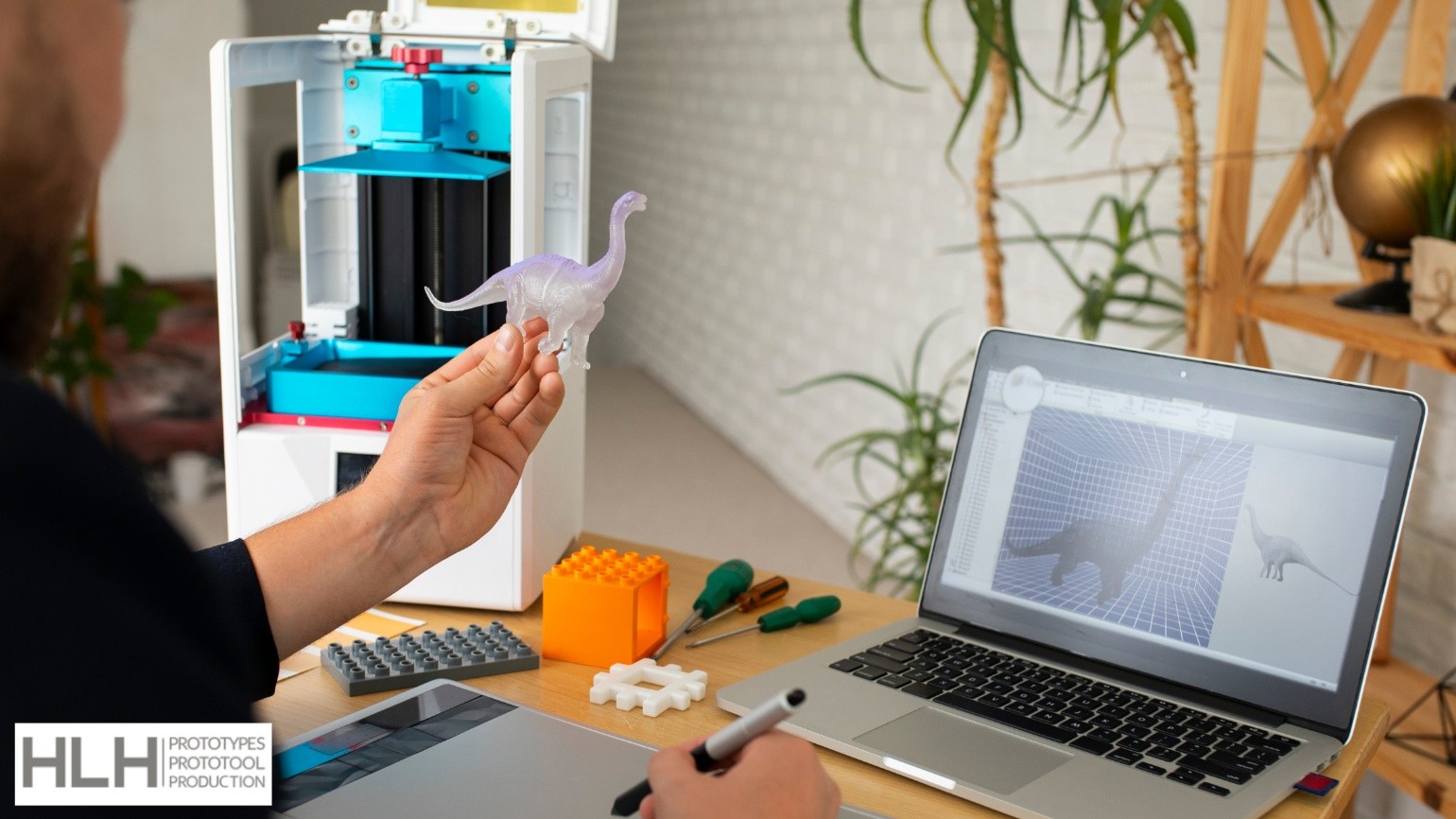
By extruding thermoplastic filament through a heated nozzle and building parts layer by layer, fused deposition modeling or FDM lets you make almost any part for various applications, from aerospace and automotive to medical devices and consumer products. FDM can speed up your development cycle especially when you work with a trusted service like HLH Prototypes.
A growing trend in 3D printing
The fused deposition modeling or FDM market is expected to reach USD 7.1 billion by the end of the decade because of rapid industrial adoption and smarter production tools. According to analysts, additive manufacturing will move from experimental into full-scale industrial use in the coming years because of:
- AI and machine learning, which are improving accuracy and speed, as well as process efficiency
- AI-powered monitoring that enables real-time quality control and reduces print failures
- Localized, on-demand manufacturing that reduces supply chain risks and keep production more accessible
These factors point to a future where FDM will become a part of industrial workflows, capable of supporting mass production needs.
Advanced materials
While early fused deposition modeling or FDM printing focused mainly on PLA and ABS, tougher materials with better mechanical performance have widened the material choices available today:
- Nylon and PETG, widely selected for their durability and improved impact and heat resistance
- Carbon fiber–reinforced and metal-filled filaments, useful for lightweight but strong functional parts
- Specialty blends that deliver stiffness and heat tolerance, as well as enhanced surface properties
These advancements allow FDM parts to meet the mechanical demands found in aerospace and automotive applications.
Automation and software integration
Advanced software is changing your FDM workflow, from initial design to final production. With these tools, you can optimize print parameters and predict how materials behave to improve consistency.
Automation is expanding in several ways for fused deposition modeling or FDM 3D printing:
- Predictive maintenance driven by AI to minimize unplanned downtime.
- AI-powered monitoring systems that check part quality during printing.
- AI-driven generative design, which accelerates the development of lighter, stronger components for aerospace and defense.
With these improvements, you can adopt smarter, more connected production lines that run with fewer manual steps.
Sustainability is becoming a priority
There’s also more evidence of sustainability in FDM through:
- Increased use of biodegradable materials such as PLA from renewable sources
- Investments in recycling programs, where leftover prints and support structures are processed back into usable filament
These developments reduce waste and support circular manufacturing, improving FDM’s long-term cost efficiency.
Advanced printing techniques
New advancements are set to expand what fused deposition modeling or FDM can achieve. With technologies such as multi-material printing and hybrid systems, you can combine additive and traditional manufacturing for upcoming developments. You can also experiment with integrating electronics directly into FDM-printed parts, opening the door to smart components produced in a single build process. This could include sensors and wiring paths, even embedded circuits printed along with the structural material.
Customized manufacturing
Do you need products tailored to your exact needs? Fused deposition modeling or FDM can be used to provide virtually anything, from patient-specific orthopedic devices to custom fixtures and tools required for specialized tasks. The ability to produce one-off or low-volume customized components quickly gives FDM a strong advantage, especially as manufacturing continues to embrace individualized production.
Need FDM 3D printing?
No matter what you’re developing, the team at HLH Prototypes can support your project with reliable fused deposition modeling or FDM 3D printing services. Start with a free project review to determine whether FDM is the best fit for your requirements. You can also request a quote by calling +86 755 8256 9129.